Empower Your Journey: Navigating Oncology Through Community Support and Personal Stories
Navigating the complex world of oncology can feel like embarking on an uncharted journey, filled with uncertainties and emotional hurdles. Whether you are a patient, caregiver, or loved one, the weight of a disease often looms large, affecting not just physical health but mental well-being as well. However, there is hope in the most unexpected places—within the vibrant communities formed around shared experiences. The stories of triumph and resilience from individuals walking similar paths are powerful reminders that we are not alone in this journey.
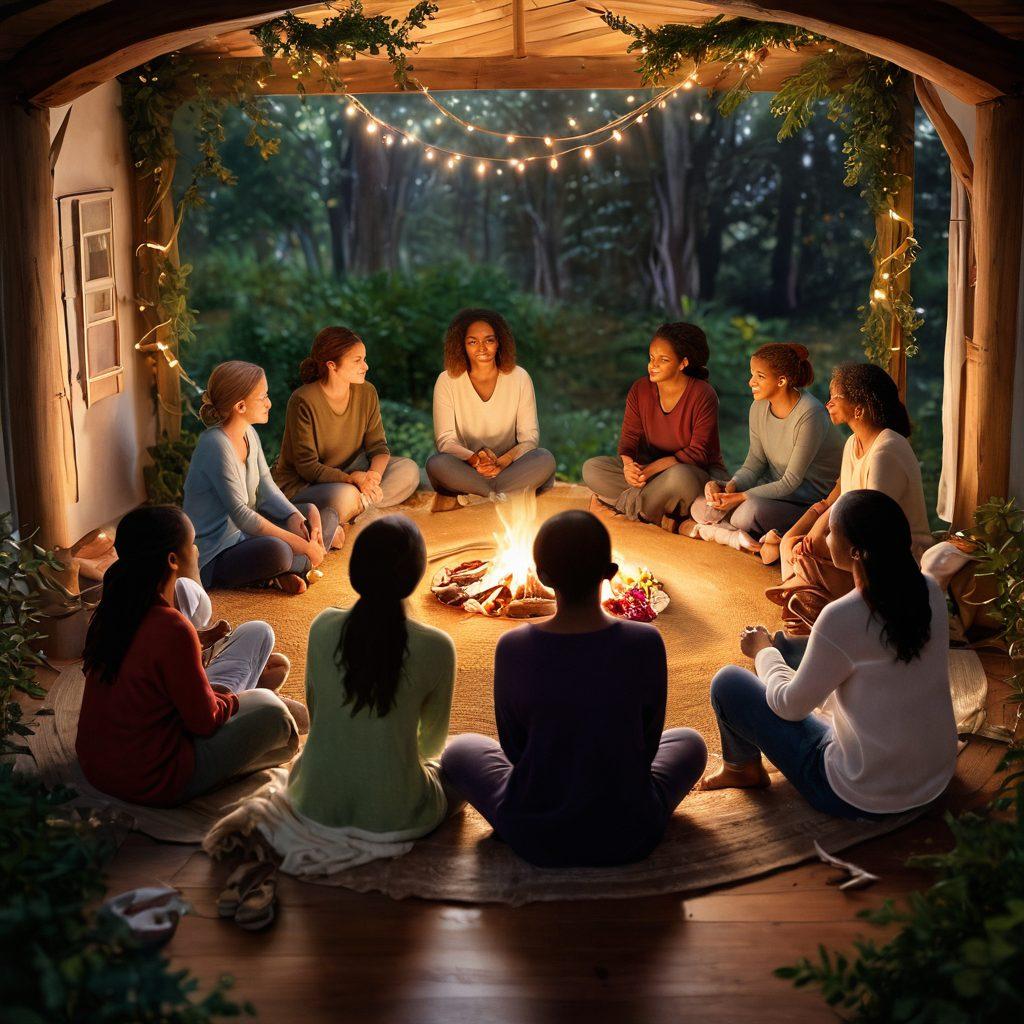
Imagine standing in a room packed with a supportive crowd, where each person, either battling an illness or serving as a caregiver, is wading through their fears and uncertainty together. That's the essence of community support in oncology. These individuals share not just tales of their struggles but also practical advice and emotional anchors that provide nourishment for the soul, much like nutrition feeds the body. What if you discover that the very thing you thought was a barrier could actually empower your healing process through the stories of others?
One such inspiring story is that of Emily, a mother of two who faced her diagnosis fiercely, fueled by the fierce love she held for her family. As she navigated her treatment, she realized she wasn't just fighting an illness; she was advocating for her own health and ultimately for her children’s future. Through experience sharing in support groups, Emily found a wealth of emotional support, opened up about her challenges and triumphs, and ultimately embraced the concept of survivorship not as an endpoint, but as an empowering chapter in her life. How has community reshaped your view on illness and survivorship?
The fabric of community support is woven from personal stories, each thread a unique and invaluable narrative that contributes to a larger tapestry of hope and resilience. This understanding can transform one’s approach to healthcare and self-care. It encourages patients to become advocates for themselves, making informed lifestyle choices that align with their well-being. Our shared experiences foster a culture of education and awareness where everyone benefits, turning the isolation that often accompanies illness into strength found in togetherness. Are we fully grasping the power that lies in these connections, and are we capitalizing on them?
Looking into the horizon, the journey through oncology continues to evolve, and so does community support. From group therapy sessions to online forums, the platforms for connection are ever-expanding. The key is to embrace these resources and understand that our stories can inspire others. Whether you’re grappling with parenting challenges during treatment or navigating the emotional landscape of fear and hope, remember: you are part of an expansive network. By sharing our personal stories of advocacy and empowerment, we can illuminate the path for others. What story will you share to inspire and uplift those around you?
Enhancing Treatment Through Connection: The Role of Support Groups in Cancer Journeys
When facing an illness like cancer, life can sometimes feel like a daunting journey through uncharted waters. For many navigating oncology, the path to recovery can be overwhelming, filled with treatments, hospital visits, and fears about the future. Yet, like a ship relying on a lighthouse to guide it home, the role of support groups in providing community support and personal stories illuminates these turbulent seas, bringing hope and empowerment to those who need it most. How can being part of a support group enhance a person's experience in the complex world of cancer treatment?
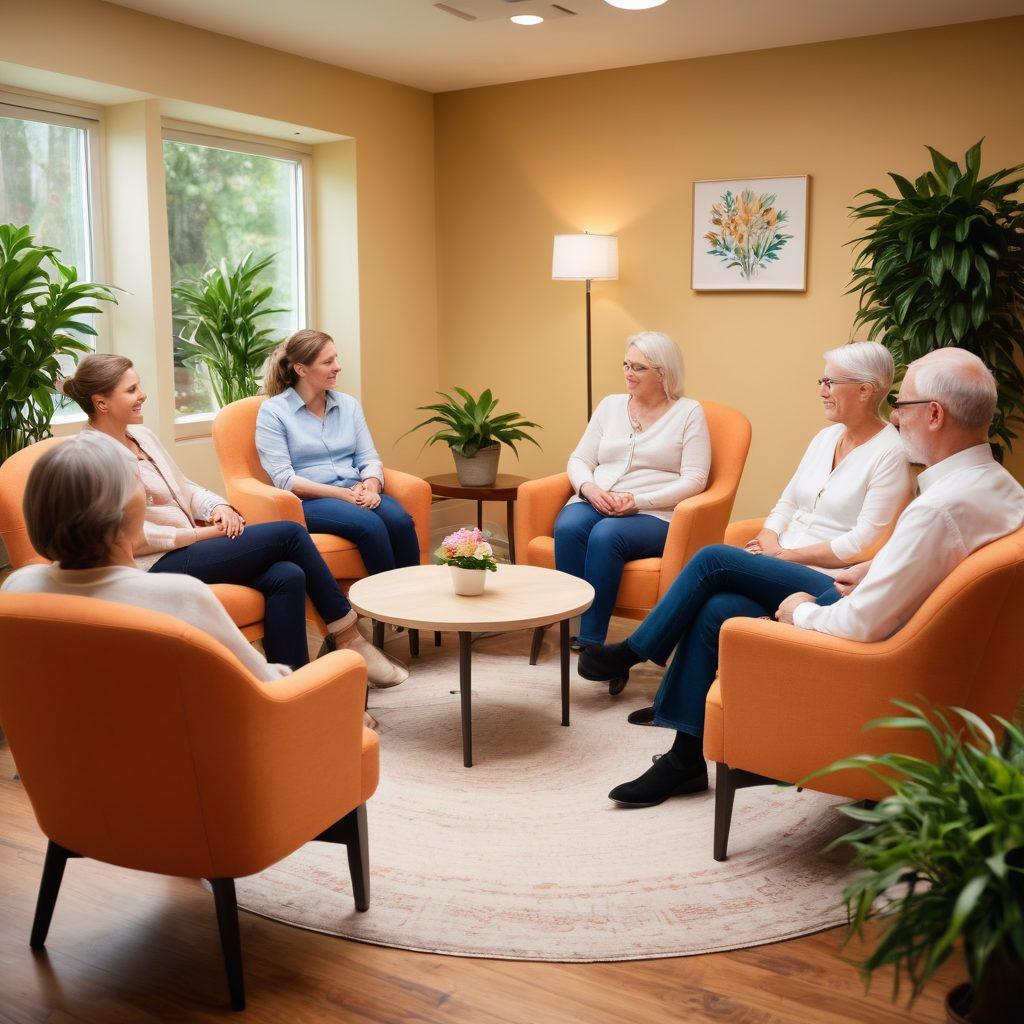
Support groups serve as a vital lifeline for individuals battling disease, offering invaluable resources and connections to others who share similar stories. It’s in these circles that cancer patients, caregivers, and their families can engage in experience sharing, lifting the burdens of their journey through emotional support and understanding. The shared laughter, tears, and realizations within these communities can foster a sense of belonging that empowers individuals to confront their illness head-on and make informed lifestyle choices that enhance their well-being during treatment.
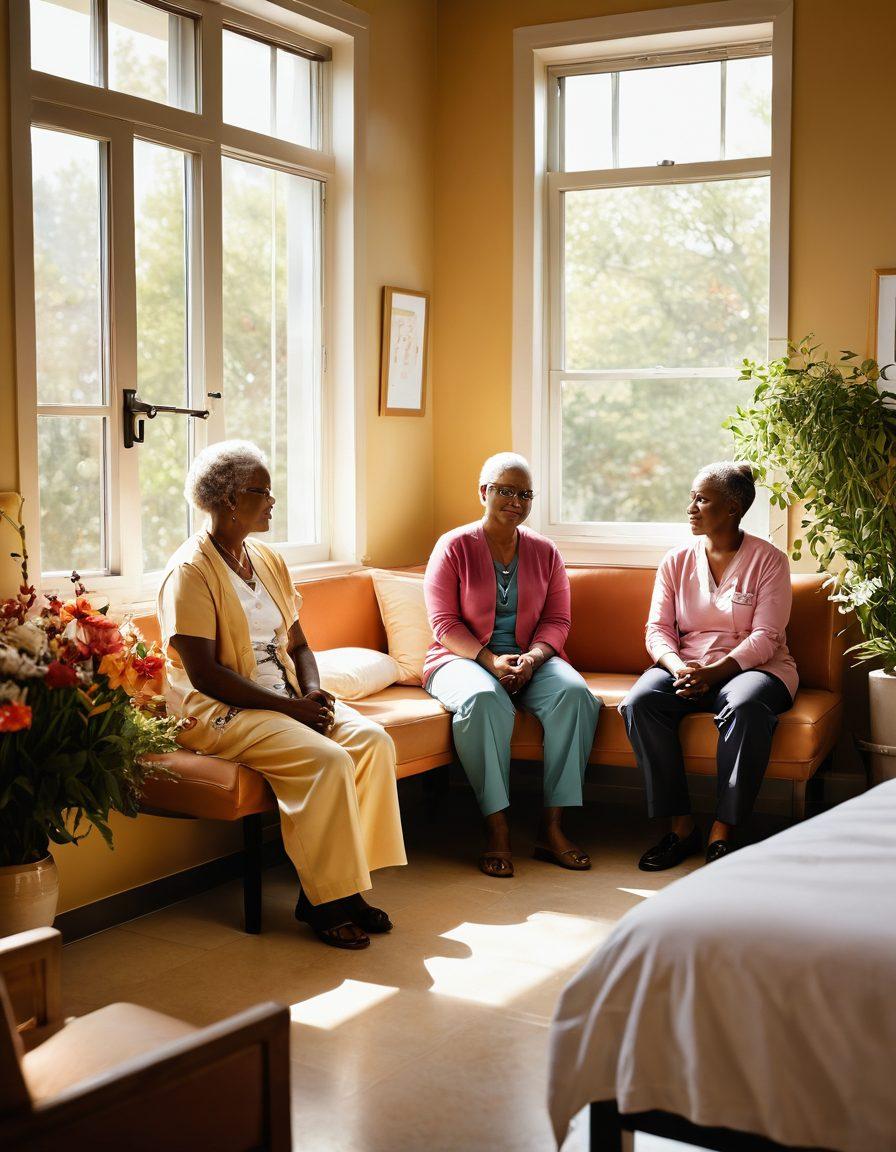
Consider Sarah, a mother diagnosed with breast cancer. Faced with parenting challenges and the weight of her illness, she sought out a support group. What she found was a sanctuary of shared experiences and heartfelt connections. Fellow group members not only shared their personal stories but also provided guidance that helped Sarah make better decisions regarding nutrition and self-care. It transformed her perspective on cancer from one of isolation to one of community, giving her hope and a renewed sense of empowerment in her journey toward survivorship. Such personal stories are the heartbeat of support groups, reminding participants that they are not alone.
Education plays a crucial role in a support group’s effectiveness. Through advocacy initiatives, attendees can learn about the latest treatment options, healthcare resources, and coping strategies. This sense of empowerment encourages individuals to take charge of their health and well-being, promoting mental health alongside physical recovery. As these groups tackle the emotional aspects of cancer, they promote open dialogue about the fears and uncertainties that come with a diagnosis, reassuring attendees that it’s okay to feel vulnerable. It's this magic of community—a tapestry woven with threads of narratives—that enriches each member’s journey.
Ultimately, enhancing treatment through connection is a powerful reality within the cancer experience. Support groups create a safe space for individuals to express themselves, gather strength from one another, and foster awareness around the importance of both physical and emotional health. As relationships deepen and support networks grow, the journey through oncology becomes not just about battling a disease, but also about building resilience and navigating the intricacies of motherhood or caregiving amidst illness. How will you embrace the power of community support in your own journey or that of a loved one?
Empowerment Through Experience: How Personal Narratives Transform Oncology Care
Navigating the tumultuous waters of an oncology diagnosis can feel overwhelming. However, within the storm, there lies a beacon of hope—community support and personal narratives that transform not just the way we approach illness, but also how we perceive empowerment. Many would agree with the sentiment of Maya Angelou who once said, 'There is no greater agony than bearing an untold story inside you.' Sharing our experiences can illuminate the path for others, foster empathy, and cultivate resilience—key ingredients in the battle against disease and illness. In this piece, we’ll explore how personal stories and community empowerment can revolutionize oncology care.
The journey through oncology is not just about physical treatments and medical interventions. It is also about emotional, mental, and spiritual support. When faced with an illness, the mind can often spiral into a dark hole of hopelessness. Yet, the act of sharing one’s experience can lift that weight, transforming individuals from mere patients into empowered advocates. For instance, when caregivers share their challenges in navigating treatment options or managing nutrition amidst the chaos, it not only validates their struggles but also provides tangible advice for others in similar situations. Ask yourself: how can your experience be a guiding light for someone else’s dark days?
Personal narratives often illustrate the smaller facets of the journey that practitioners may overlook. Through storytelling, we gain insight into the realities of survivorship, from parenting challenges to adjusting lifestyle choices post-treatment. Events like support groups allow individuals to gather and share, creating a tapestry of experiences woven together, providing guidance and fostering connections. As one cancer survivor beautifully articulated, 'We may all have different battles, but the scars we bear connect us in a way that reminds us we're not alone.' This sense of belonging can reignite hope and solidarity among patients and their families.
Moreover, community support plays a crucial role in enhancing the overall healthcare experience. The power of awareness surrounding various aspects of oncology care, including the importance of emotional support and mental health, cannot be overstated. Families, friends, and even colleagues can rally together, becoming advocates for their loved ones. Think about it: how might incorporating self-care practices into your routine empower not only you but also the people you care for? By emphasizing nutrition, emotional well-being, and the need for education about available resources, the journey can feel less isolating and more manageable.
Let us not forget that empowerment through experience extends beyond patients to caregivers instead as they navigate the rocky shoreline of cancer care. Support networks, education, and shared narratives can lighten their load as well. Consider the conversations that often take place at support meetings. The wisdom shared is invaluable; each story speaks volumes to the complexities of motherhood, particularly when faced with health adversities. Listening to personal stories fosters empathy, broadens awareness, and inspires action. Encourage those around you to share their journeys, and you will see the transformation in the way we approach not just oncology, but life itself. As we continue to empower one another through experience sharing, the luminosity of hope will illuminate even the darkest days.